My firm had a thriving real estate practice in the 1980’s. When the real estate market tanked from 1989 until about 1996, they were not happy times. We did not hire any real estate lawyers in those days.

My firm had a thriving real estate practice in the 1980’s. When the real estate market tanked from 1989 until about 1996, they were not happy times. We did not hire any real estate lawyers in those days.

Career Announcement – Chat GPT is pleased to announce that Murray Gottheil has finally achieved his life-long ambition to be a partner in Big Law!
I was bored this morning so I entered the following prompt into Chat GPT: “Create a biography for Murray Gottheil Canadian lawyer.”
This is what it told me:

My wife likes to tell the story of the first file that she worked on for me when she articled for my firm. (Those were in the days when she did what I told her to do, because I was the boss. Things have changed.)
I had her work on a financing file. Back in the day, financing statements under the Personal Property Security Act were typed on a government form, and submitted over the counter.

Martin is a lawyer who has closed many residential real estate transactions. Back when he was starting out, Martin read the relevant statutes and regulations and prepared all the documents himself. For each transaction, Martin drafted a Statement of Adjustments, adding numbers in his head. Eventually he used a calculator, and then a software program. Then, he hired a law clerk and taught her how to do it. Should the situation arise where Martin needs to prepare a Statement of Adjustments manually, he can easily do so, because he knows everything that there is to know about them. When a dispute arises as to the accuracy of a Statement of Adjustments, he can resolve it.

This article is about what I want to see from the Legal Tech industry. My basic message is: You technology folks are bringing our profession to its knees. Now we need you to sort out the mess and chart a way out for us. The clock is ticking. Get on with it!
The article resides on Appara’s website. You can access it here:

It is virtually certain that every lawyer with real intelligence who plans to stick around the profession for at least another five years is going to use artificial intelligence in their practice. (Unfortunately, so will every lawyer without real intelligence, but that is a topic for another day.)
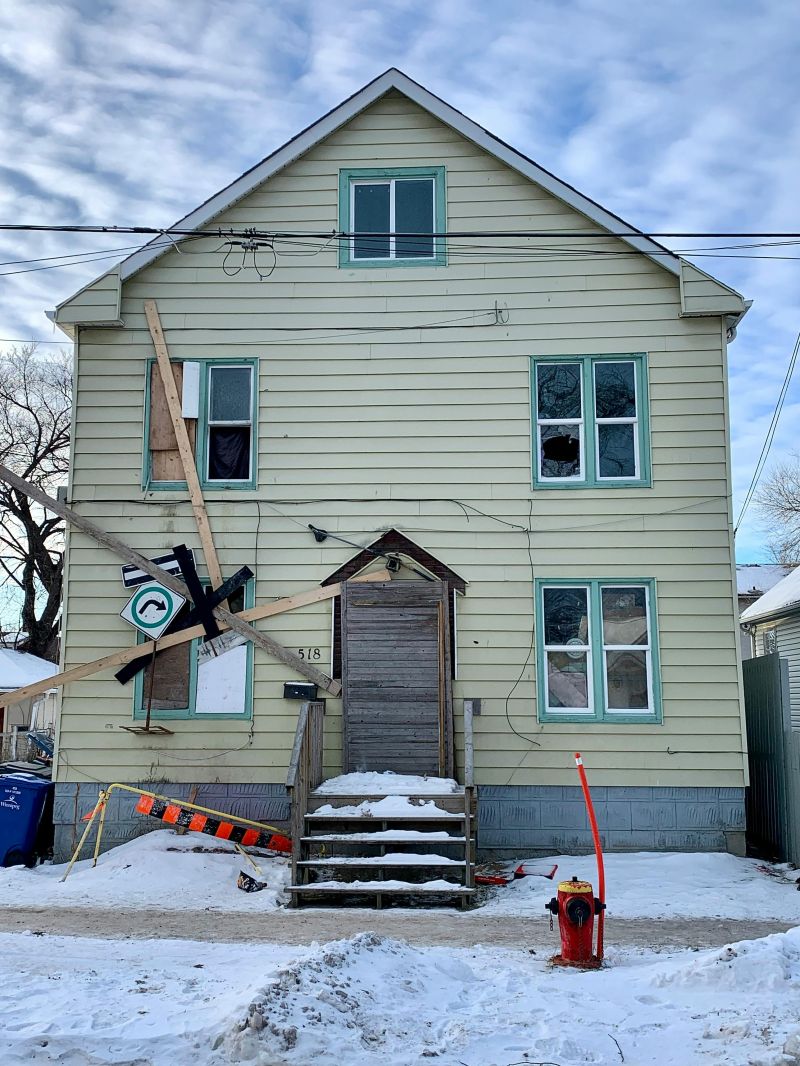
In the mid-90’s, someone called a recession, and everyone showed up. We had one lawyer who did nothing but enforce mortgages for a Bank. I was a junior partner who fancied myself as a business promotor, and I suggested that we use the slogan, “[name of our firm], kicking more people out of their houses in Peel Region than any other law firm.” For some reason, the senior partners did not agree.

I met a lawyer named Alice the other day, who does a lot of unsophisticated work, as well as a bit of higher-end work. Through her looking glass, Alice does not spy Wonderland. Instead, she fears that much of the work that she is doing will become a commodity, and her competitors will flock to low-cost service providers who use technology to produce legal documents.

Stephen Shapiro is a speaker and advisor on business transformation. He wrote an article titled, “The Art of Decision Making” after the publisher rejected his preferred title of, “When You Sit on the Fence, You Get Splinters in Your Ass!” In his article, he argues that “movement in any direction is better than stagnation or indecision,” and he concludes that “if you sit on the fence, all you will get are splinters.”

This Article is about what lawyers need from LegalTech providers. I use Wills and Estates as an example, but the principles apply to many areas of practice.
You can read the article here: https://appara.ai/news-and-insights/where-theres-a-will